
FMCG Distributors in Dubai: A Complete Guide for Retailers and Businesses - AlTurabStore
- Home
- FMCG Distributors in Dubai: A Complete Guide for Retailers and Businesses
- haroonkhanmarwat@gmail.com
- October 5, 2026
- 0 Comments
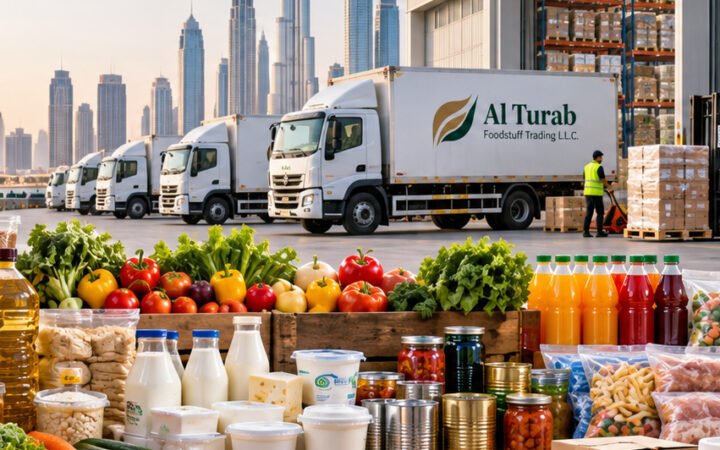
Dubai is one of the Middle East’s most important trading and distribution centres for fast-moving consumer goods. With a large retail sector, international population, strong logistics infrastructure, and access to markets across the UAE and GCC, the city creates significant opportunities for FMCG distributors, wholesalers, retailers, supermarkets, restaurants, hotels, and food-service businesses.
Finding reliable FMCG distributors in Dubai is essential for businesses that need consistent product availability, competitive wholesale prices, efficient delivery, and a broad selection of everyday consumer products. Whether you operate a supermarket, grocery store, restaurant, catering company, convenience store, or online retail business, choosing the right distribution partner can directly affect your sales, margins, and customer satisfaction.
What Is FMCG Distribution?
FMCG stands for fast-moving consumer goods. These are products that consumers purchase regularly and that generally move quickly through retail and wholesale channels. FMCG products include food, beverages, rice, pulses, cooking oils, spices, snacks, confectionery, dairy products, household essentials, personal-care products, and many other everyday items.
FMCG distributors act as an important link between manufacturers, importers, brands, wholesalers, retailers, and food-service businesses. A professional distributor helps products move efficiently from warehouses and suppliers to the businesses that ultimately sell or use them.
Why Dubai Is an Important FMCG Distribution Hub
Dubai has developed into a major international centre for food trading, import, export, and re-export. Its ports, airports, road networks, warehousing facilities, wholesale markets, and connections with neighbouring GCC countries make the emirate particularly attractive for FMCG businesses.
The scale of Dubai’s food trade is significant. Dubai Municipality reported that it inspected 579,913 food consignments containing approximately 1.95 million food products during 2025. The authority has also introduced digital systems covering food product registration, import, export, inspection, and regulatory processes. This extensive movement of food products demonstrates the importance of efficient distribution and supply-chain management within the emirate.
Dubai also serves an exceptionally diverse consumer market. Products from Asia, the Middle East, Africa, Europe, and other international markets are widely traded across the city. This diversity gives FMCG suppliers and distributors opportunities to serve different customer segments with both mainstream products and specialised product ranges.
Products Supplied by FMCG Distributors in Dubai
FMCG distributors in Dubai may handle a wide variety of products depending on their business model, storage capabilities, supplier relationships, and target customers. Common categories include rice, flour, pulses, spices, cooking oils, canned foods, sauces, noodles, snacks, biscuits, chocolates, candies, beverages, dairy products, frozen foods, fresh fruits and vegetables, cleaning products, personal-care products, cosmetics, perfumes, and other household essentials.
For retailers, sourcing several categories through dependable suppliers can simplify procurement and inventory management. Instead of dealing with numerous individual suppliers, businesses can build relationships with distributors capable of supplying multiple high-demand product categories.
Who Needs FMCG Distributors in Dubai?
The customer base for FMCG distribution is extensive. Supermarkets and hypermarkets require regular replenishment of high-volume products, while neighbourhood groceries and convenience stores need smaller but frequent deliveries. Restaurants, cafeterias, hotels, bakeries, catering companies, cloud kitchens, offices, and other food-service operations also depend on reliable suppliers for essential ingredients and consumable products.
Wholesale traders and exporters may have different requirements, including bulk quantities, pallet orders, full-container purchases, and products intended for re-export. A capable FMCG supplier in Dubai should therefore understand the requirements of both wholesale and retail customers.
How to Choose the Best FMCG Distributor in Dubai
Choosing an FMCG distributor should involve more than comparing prices. Product quality, availability, storage standards, delivery reliability, customer service, documentation, and market experience are equally important. A very low purchase price provides little benefit if products are frequently unavailable or deliveries arrive late.
Product Range and Availability
A strong distributor should maintain a practical range of fast-moving products that match the requirements of its customers. Reliable stock availability allows retailers and food-service businesses to replenish inventory quickly and reduce the risk of losing sales because essential products are unavailable.
Competitive Wholesale Pricing
Margins are particularly important in the FMCG sector because many products are sold in high volumes with competitive pricing. Businesses should evaluate carton prices, bulk-order rates, promotional offers, minimum order quantities, delivery charges, and payment terms when comparing FMCG wholesalers in Dubai.
Reliable Delivery
Efficient distribution depends heavily on logistics. Retailers often require frequent replenishment, especially for high-volume products. A distributor with organised warehousing, inventory management, order processing, and delivery operations can help customers maintain healthier stock levels and reduce unnecessary inventory pressure.
Quality and Food Safety
Food products distributed in Dubai are subject to regulatory and food-safety requirements. Dubai Municipality provides services covering food product registration and assessment, food-related permits, imported food consignments, food establishment requirements, and food transportation and delivery standards. Businesses purchasing food products should therefore work with responsible suppliers that understand applicable regulatory requirements.
Customer Service and Communication
Good communication is an important part of FMCG distribution. Customers need accurate information about prices, stock availability, delivery schedules, new arrivals, promotions, and order status. Responsive sales representatives can make procurement significantly easier for retailers and wholesale buyers.
Wholesale FMCG Suppliers in Dubai
Wholesale FMCG suppliers play a major role in Dubai’s retail ecosystem. They allow businesses to purchase products in cartons, cases, pallets, and other commercial quantities. Wholesale purchasing can help supermarkets, groceries, restaurants, and traders improve unit costs when volumes are managed effectively.
Businesses looking for FMCG wholesale suppliers in Dubai should consider their actual sales volume before purchasing large quantities. High-volume buying can provide better pricing, but excessive inventory can increase storage requirements and tie up working capital. Effective purchasing should balance price, stock turnover, product shelf life, and expected customer demand.
FMCG Distribution for Supermarkets and Grocery Stores
Supermarkets and grocery stores depend on product availability. Consumers expect frequently purchased essentials to be available whenever they visit. Missing popular items can reduce customer satisfaction and potentially send shoppers to competing stores.
For this reason, retailers should work with FMCG distributors capable of supporting regular replenishment. Rice, pulses, spices, cooking oils, snacks, beverages, confectionery, canned foods, household products, and personal-care items are among the categories that often require continuous stock monitoring.
FMCG Supply for Restaurants, Hotels and Catering Companies
Dubai’s hospitality and food-service industries create additional demand for FMCG products. Restaurants, hotels, cafeterias, bakeries, and catering companies frequently purchase ingredients and consumables in commercial quantities.
Food-service buyers typically focus on consistency, cost control, pack size, product specifications, and dependable delivery. Products such as rice, cooking oils, seasonings, spices, sauces, pulses, flour, canned foods, and other kitchen essentials can form an important part of institutional FMCG distribution.
Import, Export and Re-Export Opportunities
Dubai’s strategic location provides opportunities beyond the domestic UAE market. FMCG trading businesses can use the emirate as a base for regional distribution and re-export, subject to applicable regulations and documentation requirements.
Dubai Municipality provides dedicated processes for imported food consignments intended for the local market as well as consignments intended for re-export. This regulatory infrastructure supports Dubai’s wider role as an international food-trading hub.
The Growing UAE Food and FMCG Market
The broader UAE food sector continues to receive significant strategic attention. The UAE Ministry of Economy has identified food as an important economic cluster and has outlined objectives to increase the food sector’s GDP contribution and foreign trade while creating additional employment in food-related industries.
For FMCG distributors in Dubai, this environment creates opportunities in trading, stockpiling, food processing, retail supply, hospitality supply, e-commerce, wholesale distribution, and regional exports. Businesses that combine competitive pricing with reliable supply chains and professional customer service can position themselves for sustainable growth.
Online FMCG Shopping and Distribution in Dubai
Digital purchasing is becoming increasingly important for both consumers and businesses. Online FMCG stores provide customers with a convenient way to discover products, compare available options, and place orders without relying entirely on traditional purchasing channels.
For retailers and wholesale customers, digital ordering can also simplify repeat purchases and product discovery. Combining physical distribution capabilities with an accessible online platform creates a more convenient purchasing experience for modern customers.
Alturab Store for FMCG Products in Dubai
Alturab Store provides customers in Dubai with convenient access to a growing selection of food products and everyday essentials. The platform is designed to make sourcing FMCG products easier for customers looking for quality, value, and convenient purchasing options.
From essential food categories to frequently purchased consumer products, Alturab Store aims to serve the needs of modern households and business buyers. A customer-focused approach, diverse product selection, and convenient online shopping experience make it a useful destination for customers searching for FMCG products in Dubai.
Benefits of Buying FMCG Products from a Reliable Supplier
Working with a dependable FMCG supplier can provide several long-term advantages. Businesses can benefit from more consistent stock availability, easier purchasing, competitive commercial pricing, dependable delivery, access to different product categories, and better communication regarding new products and promotions.
For retailers, these benefits can improve inventory turnover and customer satisfaction. For restaurants and catering businesses, reliable sourcing can support menu consistency and cost management. For wholesalers and traders, dependable suppliers can help create stronger and more scalable distribution networks.
Building a Successful FMCG Business in Dubai
Success in FMCG distribution requires a clear understanding of customer demand. Businesses should monitor which products sell quickly, which categories generate stronger margins, and which items require frequent replenishment. Purchasing decisions should be based on real sales patterns rather than simply maintaining large quantities of every available product.
Strong relationships are equally important. Manufacturers need capable distributors, distributors need dependable retailers and wholesale buyers, and retailers need suppliers that can consistently deliver the right products. Building trust throughout the supply chain can create long-term commercial value for every participant.
Future of FMCG Distribution in Dubai
The future of FMCG distribution in Dubai is increasingly connected to technology, efficient logistics, food safety, inventory visibility, and digital commerce. Dubai Municipality has continued to digitalise food-trade processes, including systems supporting product registration and import and export activities.
At the same time, customers increasingly expect convenience, competitive pricing, wider product choices, and faster access to essential goods. FMCG distributors that invest in efficient supply chains, online ordering, organised warehousing, professional sales teams, and strong customer relationships will be better positioned to respond to these expectations.
Conclusion
FMCG distributors in Dubai are an essential part of the supply chain connecting manufacturers and importers with supermarkets, groceries, restaurants, hotels, catering companies, wholesalers, and consumers. Dubai’s international trading position, diverse population, sophisticated logistics infrastructure, and expanding food ecosystem make it an attractive market for FMCG distribution.
When selecting an FMCG supplier in Dubai, businesses should consider product quality, pricing, stock availability, delivery performance, regulatory compliance, and customer service. The right distribution partner can help reduce procurement challenges, maintain consistent inventory, and support sustainable business growth.
For customers searching for FMCG products in Dubai, Alturab Store offers a convenient online destination for discovering everyday food products and consumer essentials. Whether purchasing for household requirements or business needs, choosing a reliable supplier remains one of the most important steps toward quality, value, and consistent product availability.

Leave A Comment