
Ajinomoto monosodium glutamate - AlTurabStore
- Home
- Ajinomoto monosodium glutamate
- haroonkhanmarwat@gmail.com
- September 26, 2026
- 0 Comments
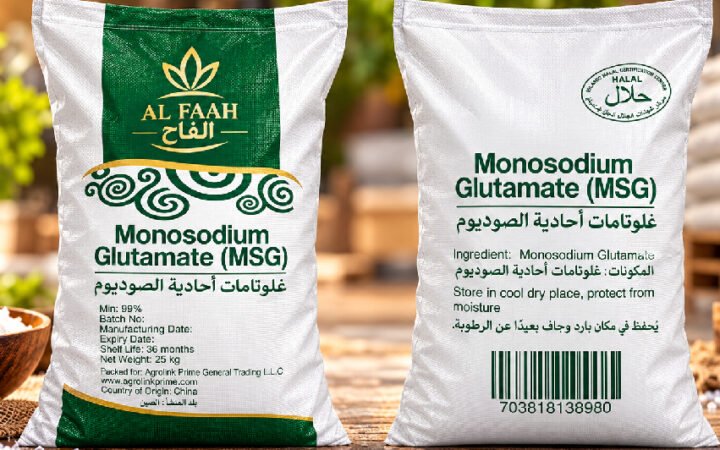
Ajinomoto monosodium glutamate, commonly known as MSG, is one of the world’s best-known flavor-enhancing seasonings. Used in home kitchens, restaurants, catering operations and food manufacturing, monosodium glutamate helps bring out a rich, savory taste known as umami. From soups and sauces to rice dishes, meat preparations and snacks, MSG has become an important ingredient in many cuisines around the world.
For food businesses, chefs and consumers, understanding what Ajinomoto MSG is, how it works and how it can be used appropriately can help achieve consistent flavor while maintaining the character of a recipe. This guide explains monosodium glutamate, the meaning of umami, common MSG applications and important facts about this widely used food ingredient.
What Is Ajinomoto Monosodium Glutamate?
Monosodium glutamate is the sodium salt of glutamic acid, an amino acid that occurs naturally in many foods. Glutamate can be found naturally in ingredients such as tomatoes, mushrooms, meat, fish and certain cheeses. In food, glutamate is closely associated with the savory taste known as umami.
AJI-NO-MOTO is a well-known monosodium glutamate seasoning produced by the Ajinomoto Group. The product has been used for generations as an umami seasoning and flavor enhancer. Modern MSG production commonly uses fermentation of plant-based raw materials, followed by purification and crystallization to produce the familiar white crystalline seasoning.
What Is Umami Taste?
Umami is recognized as one of the five basic tastes alongside sweet, sour, salty and bitter. The word comes from Japanese and is commonly associated with a pleasant savory taste. Foods naturally rich in glutamate often have noticeable umami characteristics.
Tomatoes, mushrooms, aged cheese, seafood, meat, seaweed and fermented foods are familiar examples of ingredients that can contribute umami to a dish. Monosodium glutamate provides glutamate in a convenient form, allowing cooks and food manufacturers to enhance savory flavor without completely changing the original profile of a recipe.
How Does MSG Enhance Food Flavor?
MSG does not simply make food salty. Its primary role is to provide umami and complement the existing savory characteristics of a dish. When an appropriate quantity is incorporated into a balanced recipe, it can make flavors seem fuller and more rounded.
This is one reason monosodium glutamate is used across many different food categories. It can complement meat, vegetables, seasonings and sauces, making it useful for both traditional recipes and modern commercial food production.
How Is Monosodium Glutamate Made?
Modern monosodium glutamate can be produced using fermentation. Plant-derived ingredients such as sugar cane, sugar beet, cassava or corn may be used as raw materials. During production, microorganisms help convert sugars into glutamic acid. The material is then processed and purified before MSG is crystallized and dried.
Although the industrial process is carefully controlled, the principle of fermentation is familiar throughout food production. Fermentation is also used in making many everyday foods and beverages.
Common Uses of Ajinomoto MSG
Ajinomoto monosodium glutamate is versatile and can be incorporated into numerous savory food preparations. It is particularly useful in recipes where a stronger umami profile is desired.
Soups and Broths
MSG is frequently used in soups, stocks and broths. A suitable amount can complement the flavors of vegetables, chicken, beef, seafood and other ingredients, creating a deeper savory profile.
Rice and Noodle Dishes
Fried rice, seasoned rice, noodles and similar dishes can benefit from additional umami. MSG can be combined with other seasonings as part of the overall recipe rather than being treated as a replacement for every other spice or condiment.
Meat and Poultry
Monosodium glutamate can complement marinades and seasoning blends for chicken, beef and other savory meat preparations. Restaurants and food manufacturers may use it as one component of a carefully developed seasoning system.
Sauces and Gravies
Sauces, gravies and savory condiments often combine multiple layers of flavor. MSG can support these flavors and provide additional umami without introducing a strong aroma of its own.
Snacks and Seasoning Blends
MSG is also found in certain savory snack seasonings and dry spice blends. Commercial food producers may combine monosodium glutamate with salt, herbs, spices and other ingredients to create a consistent flavor profile.
Restaurant and Catering Applications
Restaurants, hotels and catering businesses often need consistent flavor across large quantities of food. When used according to a standardized recipe, MSG can help professional kitchens maintain a consistent savory profile from one batch to another.
Ajinomoto MSG for the Food Industry
In commercial food production, consistency is extremely important. Customers generally expect the same product to have a similar taste every time they purchase it. Monosodium glutamate can therefore be useful to food manufacturers developing soups, sauces, seasonings, savory snacks, frozen foods and other processed food products.
Food manufacturers must formulate products according to applicable food regulations, labeling requirements and their own quality standards. Ingredient specifications, storage conditions, traceability and supplier reliability should also be considered when sourcing MSG for commercial production.
Is Monosodium Glutamate Safe?
MSG has been extensively evaluated as a food ingredient. The U.S. Food and Drug Administration considers added MSG to be generally recognized as safe. Major medical references also note that research has not established a clear connection between MSG and the symptoms historically attributed to it under normal dietary conditions, although some individuals report short-term sensitivity-type symptoms.
As with other food ingredients, MSG should be used appropriately and consumers with individual dietary concerns should follow relevant medical or nutritional advice. Food businesses should also comply with the labeling and food-safety regulations that apply in the markets where their products are sold.
MSG and Sodium
A common misconception is that MSG and ordinary table salt contain the same proportion of sodium. They do not. MSG contains substantially less sodium by weight than table salt. Because MSG provides umami, carefully reformulated recipes may sometimes use it alongside reduced amounts of salt while maintaining an appealing savory taste.
This does not mean simply adding MSG automatically creates a low-sodium food. The total sodium content depends on the complete recipe, including salt, sauces, seasonings and other sodium-containing ingredients. Proper formulation and nutritional analysis remain important for commercial products.
Does MSG Contain Naturally Occurring Glutamate?
Glutamate is naturally present in many foods people regularly consume. Tomatoes, mushrooms, cheese, meat and seafood are examples of foods associated with naturally occurring glutamate. The human body also handles glutamate as part of normal amino-acid metabolism.
Understanding this distinction is useful because MSG is sometimes discussed as though glutamate were unique to packaged seasoning. In reality, glutamate is widely present throughout the food supply.
How to Use MSG in Cooking
The objective when cooking with monosodium glutamate should be balance. MSG works particularly well in savory dishes and should complement the other ingredients rather than dominate them.
For home cooking, restaurants and catering kitchens, it is advisable to begin with a small quantity and adjust according to the recipe and desired taste. Commercial kitchens should develop standardized recipes so that the quantity remains consistent across batches.
MSG can be introduced during cooking or incorporated into dry seasoning mixtures, marinades, sauces and other preparations depending on the recipe. Because different dishes have different salt and seasoning levels, there is no single quantity that is ideal for every application.
MSG for Restaurants, Hotels and Catering Companies
Professional kitchens prepare large quantities of food while trying to maintain consistent taste, quality and cost control. Monosodium glutamate can be a useful ingredient in this environment because relatively small quantities can contribute noticeable umami to suitable savory recipes.
Restaurants and catering businesses can evaluate MSG as part of their overall seasoning strategy for soups, gravies, rice dishes, noodles, marinades, meat dishes and sauces. The best results generally come from developing a complete recipe rather than relying excessively on any single seasoning.
MSG for Food Manufacturers
Food manufacturers may use monosodium glutamate when developing products in categories such as seasoning mixes, instant foods, savory snacks, sauces, soups and prepared meals. For industrial buyers, product consistency and reliable supply can be just as important as flavor.
When purchasing MSG in bulk, buyers should evaluate specifications, packaging, batch information, storage requirements, documentation and applicable regulatory requirements. Working with an established foodstuff supplier can also help businesses manage regular purchasing and distribution requirements.
Buying Monosodium Glutamate in Dubai and the UAE
Dubai is a major trading and distribution center serving restaurants, hotels, catering companies, supermarkets, wholesalers and food manufacturers throughout the UAE and wider regional markets. Businesses searching for monosodium glutamate in Dubai should consider more than price alone.
Important purchasing considerations include product specifications, packaging format, available quantity, documentation, storage conditions and dependable delivery. Wholesale buyers may also need larger quantities and regular supply schedules based on monthly consumption.
Wholesale MSG Supply for Food Businesses
For wholesalers, distributors, restaurants and industrial food users, reliable sourcing helps prevent interruptions in production or daily kitchen operations. Businesses purchasing Ajinomoto MSG or other food-grade monosodium glutamate products should select the appropriate packaging and quantity for their consumption requirements.
Bulk purchasing can be particularly relevant for catering operations, restaurant groups, seasoning manufacturers, food factories and wholesale distributors with predictable monthly demand. Maintaining suitable inventory levels can support smoother operations while avoiding unnecessary overstocking.
Storage and Handling of Monosodium Glutamate
MSG should be stored according to the instructions provided on its packaging and by the manufacturer or supplier. In general, dry food ingredients should be protected from moisture, contamination and unsuitable storage conditions.
Commercial users should follow appropriate inventory practices, keep packaging properly sealed and maintain batch traceability where required. Food manufacturers, restaurants and catering businesses should incorporate MSG into their established food-safety and ingredient-management procedures.
Why MSG Remains Popular in Professional Cooking
The continued use of monosodium glutamate is closely connected to its ability to deliver umami efficiently and consistently. Modern consumers enjoy savory flavors across a wide range of cuisines, and professional kitchens need ingredients that can perform consistently in standardized recipes.
MSG is not intended to replace quality raw materials, herbs or spices. Instead, it can work alongside them. When properly incorporated into a recipe, monosodium glutamate can support the natural savory characteristics already present in the food.
Ajinomoto MSG and Modern Food Preparation
More than a century after the identification of umami, MSG continues to play a role in both household cooking and professional food production. The ingredient has moved far beyond its early association with Japanese and other Asian cuisines and is now used in savory foods in many parts of the world.
For chefs, manufacturers and wholesale food buyers, understanding how MSG functions makes it easier to decide where it fits within a product or menu. Its value comes from controlled, appropriate use as part of a balanced formulation.
Frequently Asked Questions About Ajinomoto Monosodium Glutamate
What does MSG stand for?
MSG stands for monosodium glutamate. It is the sodium salt of glutamic acid and is commonly used as a seasoning and flavor enhancer.
Is Ajinomoto the same as MSG?
AJI-NO-MOTO is a well-known brand of monosodium glutamate seasoning produced by the Ajinomoto Group. MSG is the general name of the food ingredient, while AJI-NO-MOTO is a brand name.
What flavor does MSG provide?
MSG provides umami, the savory fifth basic taste. Umami can add depth and richness to many savory foods.
Where can MSG be used?
MSG can be used in suitable savory preparations such as soups, broths, sauces, rice dishes, noodles, meat marinades, gravies, seasoning blends and selected snack products.
Is MSG only used in Asian food?
No. Although MSG has strong historical associations with Asian cooking, umami is universal and MSG is used in a wide variety of cuisines and commercial food products around the world.
Is MSG the same as salt?
No. Table salt is sodium chloride, while MSG is monosodium glutamate. Both contain sodium, but their composition and roles in food are different.
Can restaurants buy MSG in bulk?
Yes. Restaurants, catering companies, wholesalers and food manufacturers commonly purchase food ingredients such as MSG in commercial quantities. The appropriate pack size and order volume depend on usage and storage requirements.
Conclusion
Ajinomoto monosodium glutamate is a widely recognized umami seasoning with applications ranging from everyday cooking to large-scale food manufacturing. By providing a clean savory taste, MSG can complement soups, sauces, rice, noodles, meats, seasonings and many other food preparations.
For restaurants, catering companies, wholesalers, distributors and food manufacturers looking for monosodium glutamate in Dubai or the UAE, understanding product quality, specifications, storage and supply requirements is essential. When used appropriately as part of a balanced recipe, MSG can be an effective ingredient for achieving consistent and satisfying savory flavor.

Leave A Comment