
Monosodium Glutamate (MSG) Ajinomoto - AlTurabStore
- Home
- Monosodium Glutamate (MSG) Ajinomoto
- haroonkhanmarwat@gmail.com
- August 3, 2026
- 0 Comments
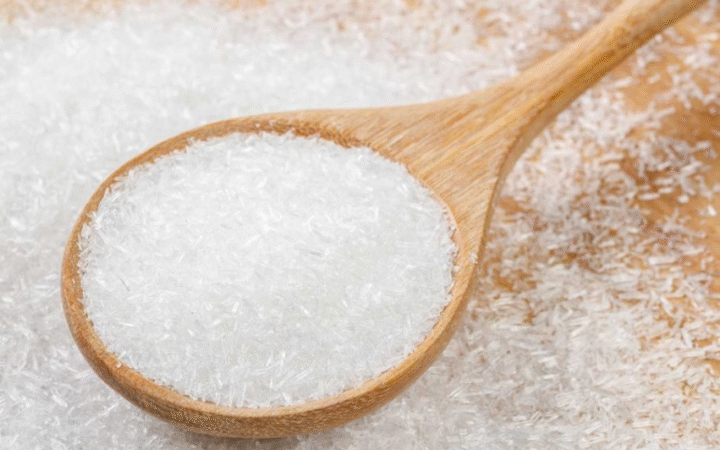
Monosodium glutamate, commonly called MSG, is a popular flavour enhancer used in homes, restaurants and food manufacturing facilities around the world. Many consumers also refer to MSG as Ajinomoto, although AJI-NO-MOTO is a well-known brand of monosodium glutamate rather than the general name of the ingredient.
MSG is valued for its ability to enhance the natural savoury flavour of food. It is commonly added to soups, noodles, sauces, meat dishes, vegetables, rice recipes, snacks and many other prepared foods. When used in the correct quantity, it can improve flavour without overpowering the original taste of the ingredients.
What Is Monosodium Glutamate?
Monosodium glutamate is the sodium salt of glutamic acid. Glutamic acid is an amino acid naturally present in many foods, including tomatoes, mushrooms, cheese, meat, seafood and certain fermented products.
MSG usually appears as fine white crystals that look similar to salt or sugar. It dissolves easily during cooking and helps strengthen the savoury character of a recipe.
The glutamate in MSG is chemically related to the glutamate naturally found in everyday foods. Once consumed, the body processes glutamate from MSG in the same general way as glutamate from natural food sources.
Is Ajinomoto the Same as MSG?
Ajinomoto is frequently used as another name for MSG, particularly in Asian, Middle Eastern and African markets. However, there is an important difference:
- MSG is the general name of the flavour-enhancing ingredient monosodium glutamate.
- AJI-NO-MOTO is a registered brand of MSG produced by the Ajinomoto Group.
Some shoppers may search online using variations such as “Ajinamoto,” “Aji no Moto seasoning” or “Ajinomoto salt.” The correct brand spelling is AJI-NO-MOTO, while the correct ingredient name is monosodium glutamate.
What Does MSG Taste Like?
MSG provides a taste known as umami. Umami is recognised as one of the five basic tastes, together with sweet, sour, salty and bitter.
Umami is often described as a deep, rich and savoury taste. It is naturally present in foods such as ripe tomatoes, aged cheese, mushrooms, meat broth, soy sauce and seafood.
MSG does not normally create a completely new flavour. Instead, it enhances the savoury qualities already present in a dish, making the food taste fuller, richer and more balanced.
How Is Monosodium Glutamate Made?
Modern MSG is commonly produced through fermentation. This process is similar in principle to the fermentation methods used to make products such as yoghurt, vinegar and soy sauce.
Carbohydrate-rich raw materials are fermented using microorganisms. Glutamic acid is then separated, purified and combined with sodium to create monosodium glutamate crystals. The final product is dried and prepared for use as a seasoning or food ingredient.
Common Uses of MSG
Monosodium glutamate is highly versatile and can be used in many cuisines. It is particularly effective in savoury recipes that already contain meat, vegetables, stock, spices or sauces.
Soups and Broths
A small amount of MSG can improve the depth and savoury taste of chicken soup, vegetable soup, lentil soup, seafood broth and noodle soup.
Rice and Noodle Dishes
MSG is frequently used in fried rice, biryani-style dishes, noodles, pasta sauces and other seasoned grain-based meals.
Meat and Poultry
It can be included in marinades, spice blends and seasoning mixtures for chicken, beef, lamb and processed meat products.
Vegetables
MSG can make stir-fried, roasted or boiled vegetables more flavourful, especially when combined with garlic, pepper, herbs or a small amount of salt.
Sauces and Seasonings
Food businesses may use monosodium glutamate in sauces, gravies, stock powders, seasoning mixes, soup bases and snack flavourings.
Restaurant and Catering Food
Restaurants, catering companies and HoReCa businesses often use MSG to maintain a consistent savoury flavour across large batches of food.
Benefits of Using MSG in Cooking
Enhances Umami Flavour
The main purpose of MSG is to increase umami. This can make savoury dishes taste richer and more satisfying.
Supports Consistent Food Preparation
MSG can help restaurants and food manufacturers maintain consistent flavour when recipes are prepared in large quantities.
Works in Many Different Cuisines
Monosodium glutamate can be used in Asian, Arabic, Indian, African, European and international recipes. It works best in savoury dishes rather than sweet foods.
May Support Sodium Reduction Strategies
MSG contains sodium, but it has less sodium by weight than ordinary table salt. In some recipes, replacing a portion of salt with a carefully measured amount of MSG may help preserve flavour while reducing the total amount of sodium. However, MSG should not be treated as completely sodium-free.
Cost-Effective Flavour Enhancement
Only a small quantity is usually required, making MSG a practical flavour-enhancing ingredient for households, restaurants, catering operations and food manufacturers.
Is Monosodium Glutamate Safe?
MSG has been studied by food-safety organisations and scientific bodies for many years. The United States Food and Drug Administration identifies MSG as an ingredient generally recognised as safe when used under its intended conditions.
The European Food Safety Authority has also evaluated glutamates used as food additives and established a group acceptable daily intake. As with salt, sugar and other seasonings, MSG should be consumed responsibly as part of a balanced diet.
Some sensitive individuals have reported temporary symptoms after consuming a large amount of MSG, particularly when it is eaten without food. Anyone who believes they are sensitive to MSG should monitor their intake and seek professional medical advice when necessary.
People who have been advised to limit sodium because of high blood pressure, kidney disease or another medical condition should consider all dietary sources of sodium, including salt, packaged foods and seasonings containing MSG.
Does MSG Cause Headaches?
MSG has often been associated with headaches and other symptoms in popular discussions. However, controlled scientific assessments have not established that normal amounts of MSG consistently cause these reactions in the general population.
A small number of sensitive individuals may experience temporary symptoms after consuming a large quantity, especially without accompanying food. Individual responses can vary, so consumers should use MSG moderately and pay attention to how their bodies respond.
Does MSG Contain Gluten?
Pure monosodium glutamate does not naturally contain gluten. Nevertheless, customers with coeliac disease, wheat allergies or serious food sensitivities should always read the product label.
Manufacturing conditions and additional ingredients can vary between products. Checking allergen declarations and contacting the manufacturer can provide further reassurance when required.
Is MSG Suitable for Vegetarians?
Pure MSG is generally considered suitable for vegetarian diets because modern production normally uses fermentation-based manufacturing. However, buyers should check the packaging for vegetarian, vegan or halal certification when these requirements are important.
Certification depends on the product, manufacturer, raw materials and production facility, not only on the basic chemical identity of monosodium glutamate.
How Much MSG Should You Use?
MSG is effective in small amounts. Adding too much may make food taste unbalanced, just as excessive salt can spoil a recipe.
A practical approach is to begin with a small pinch, mix it thoroughly and taste the food before adding more. The required amount depends on the recipe size, ingredients and personal preference.
- Add MSG during cooking so that it dissolves evenly.
- Use it with savoury foods containing vegetables, meat, poultry, seafood or broth.
- Reduce other salty seasonings when appropriate.
- Taste the dish before adding additional MSG or salt.
- Avoid using MSG as a substitute for good-quality ingredients and proper cooking techniques.
Best Foods to Season With MSG
MSG can be used in a wide variety of savoury foods, including:
- Chicken, beef and vegetable soups
- Fried rice and seasoned rice dishes
- Noodles and pasta sauces
- Chicken, beef and lamb marinades
- Stir-fried vegetables
- Gravies and savoury sauces
- Stock powders and soup bases
- Beans, lentils and pulses
- Seafood dishes
- Snack and spice seasoning blends
MSG Versus Table Salt
MSG and table salt are not identical and serve different purposes. Table salt mainly provides saltiness, while MSG mainly strengthens umami and savoury flavour.
| Feature | Monosodium Glutamate | Table Salt |
|---|---|---|
| Main taste | Umami and savoury | Salty |
| Main culinary purpose | Flavour enhancement | Adding saltiness |
| Appearance | White crystals | White crystals |
| Sodium content | Contains sodium but less by weight than salt | Higher sodium concentration |
| Best use | Savoury recipes | Savoury and some sweet recipes |
MSG should not automatically replace all the salt in a recipe. Better results may come from using smaller, balanced quantities of both ingredients according to the dish.
How to Store Monosodium Glutamate
MSG should be stored in a cool, dry place away from moisture, direct sunlight and strong odours. After opening the package, transfer it to a clean, airtight food-grade container or close the original packaging securely.
Always use a dry spoon when handling MSG. Moisture can cause the crystals to clump, although clumping does not necessarily mean the product is unsafe.
For commercial storage, follow the supplier’s instructions and maintain proper stock rotation. Check the manufacturing date, best-before date, batch number and packaging condition before use.
What to Check Before Buying MSG
Whether purchasing MSG for home cooking, wholesale distribution, restaurants or food production, buyers should check the following information:
- Product name and ingredient declaration
- Manufacturer or supplier details
- Country of origin
- Net weight
- Production and expiry information
- Batch or lot number
- Packaging quality
- Storage instructions
- Halal or other certification when required
- Local food authority compliance
Frequently Asked Questions About MSG and Ajinomoto
What is Ajinomoto used for?
Ajinomoto MSG is used to enhance the umami and savoury flavour of soups, rice, noodles, vegetables, sauces, meat, poultry and many other foods.
Is Ajinomoto a type of salt?
Ajinomoto MSG is not ordinary table salt. It is monosodium glutamate, a flavour enhancer that contains sodium and provides umami rather than primarily adding saltiness.
Can MSG be used every day?
MSG can be used as a seasoning in normal culinary quantities. Overall sodium intake and the balance of the complete diet should still be considered.
Can MSG replace salt?
MSG may replace a portion of salt in certain savoury recipes, but it does not provide exactly the same taste. It is usually most effective when used in small quantities as part of a balanced seasoning mixture.
Is MSG suitable for restaurant cooking?
Yes. MSG is widely used in restaurants, catering kitchens and food production because it dissolves easily and helps create consistent savoury flavour.
Does MSG expire?
MSG is a dry and stable ingredient, but it should still be used according to the best-before date and storage instructions printed on the packaging.
What is the difference between umami and MSG?
Umami is a basic taste. MSG is a seasoning ingredient that provides and enhances that umami taste.
Buy Food Products and Seasonings in the UAE
Alturab Store supplies food products for customers in the UAE. Product availability, packaging sizes, brands and prices may change, so customers should review the latest product details before ordering.
Visit Alturab Store to explore available food products, grocery items and seasonings for household or business requirements.
Final Thoughts
Monosodium glutamate is a versatile seasoning used to enhance the umami and savoury taste of food. Ajinomoto is one of the best-known names associated with MSG, which is why many consumers use the two terms interchangeably.
When used in appropriate culinary quantities, MSG can improve soups, noodles, rice, vegetables, sauces, meat and many other savoury dishes. The best results come from using it moderately, combining it with quality ingredients and following the instructions provided on the product packaging.
Disclaimer: This content is provided for general educational purposes and is not a substitute for medical or dietary advice. Consumers with allergies, sensitivities or medical conditions requiring sodium restriction should consult a qualified healthcare professional.

Leave A Comment